-
 +385 21 32 92 84
 -
 Poljička cesta 35, Split, Croatia
 -
 INTRANET
-
 WEBMAIL
-
 Pristupačnost
+385 21 32 92 84 Poljička cesta 35, Split, Croatia INTRANET
WEBMAIL
Pristupačnost
Ante Grčić
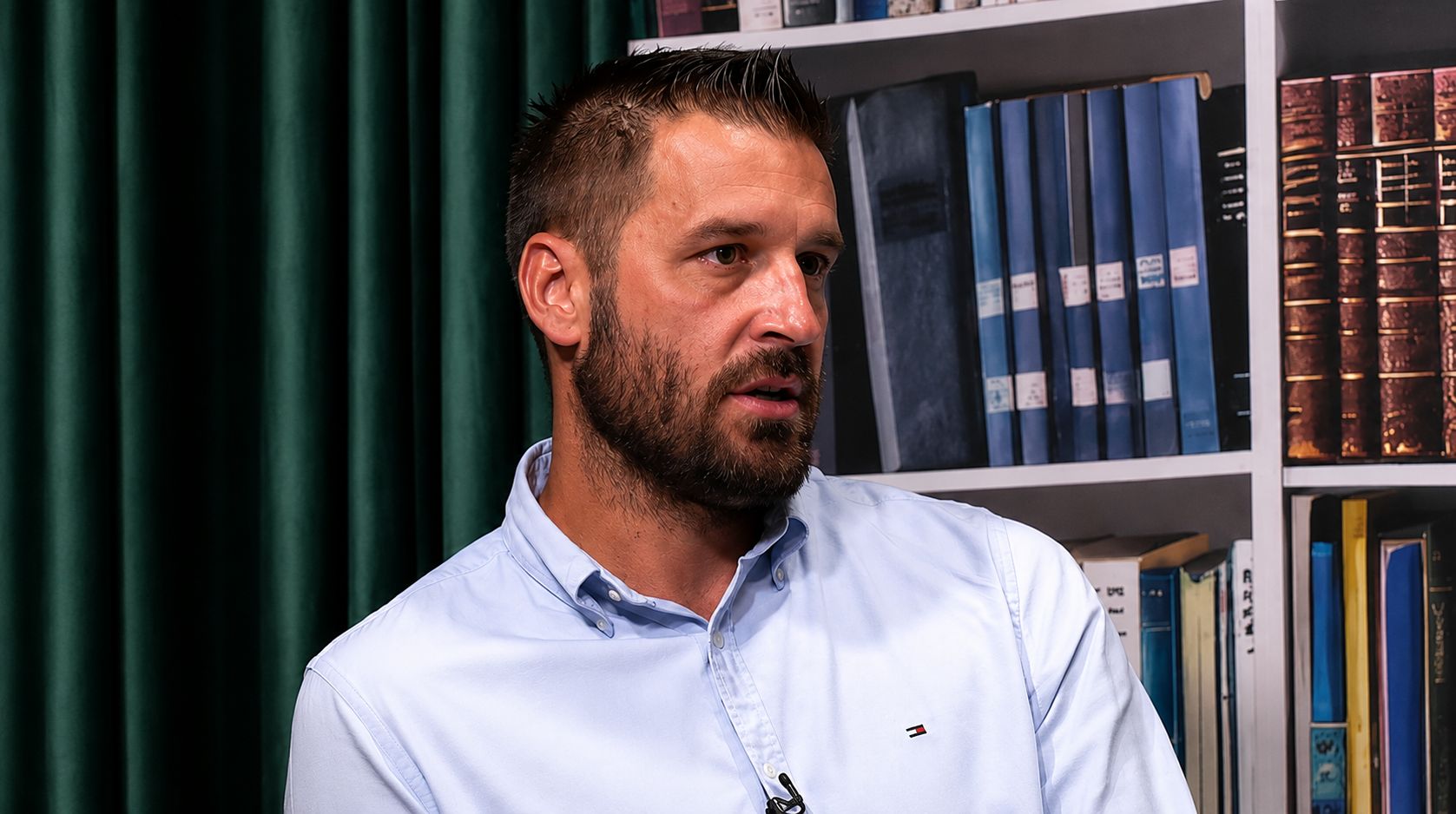
Title: Assistant
Ante Grčić was born on 28 November 1991 in Split, Croatia, where he completed his primary and secondary education. In 2012, he enrolled in the double-major undergraduate programme in Pedagogy and Croatian Language and Literature at the Faculty of Humanities and Social Sciences, University of Split. He graduated in 2019 by defending his master’s thesis entitled Civil Society as Support for Family Education, supervised by Professor Maja Ljubetić, PhD, with Assistant Professor Toni Maglica, PhD, as co-supervisor. Upon graduation, he obtained the academic degree of Master of Pedagogy and Education in Croatian Language and Literature.
Since 2019, he has been a doctoral candidate in the postgraduate doctoral programme in Pedagogy at the Faculty of Humanities and Social Sciences, University of Rijeka. During his studies, he was an active member and volunteer of the NGO Most, where he participated in learning support programmes and the organisation of leisure-time activities for children and young people.
From 2019 to 2023, he worked at the Split Community Services Centre (residential care) as a residential educator in a home for juveniles with behavioural difficulties. He also gained professional experience as a pedagogue at HNK Hajduk Split.
He is the author of nine scientific papers and one professional paper. He has actively participated in numerous national and international academic and professional conferences as a presenter and panelist and has served as a member of the programme committee of an international scientific conference.
Alongside his academic and professional work, he is actively engaged in various forms of community involvement aimed at promoting the well-being of children, young people, and families, combining research, educational practice, and professional expertise to contribute to the development of society.

Kardum, Goran; Grčič, Ante; Sablić, Marina Spiritualty of Children in Families and Those in Residential Care // Revija za elementarno izobraževanje = Journal of elementary education, 18 (2025), 1; 89-105. doi: 10.18690/rei.5046